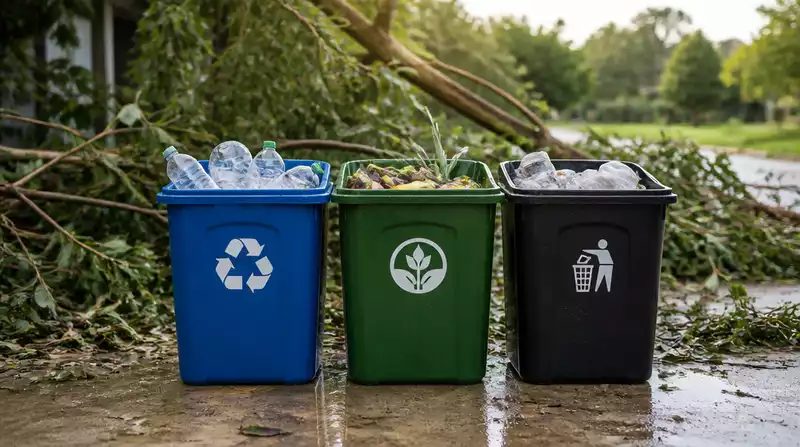
Resource Conservation
Reusing materials limits the need for new raw materials, which means less environmental disruption.
Storms can leave behind chaos, but how we respond can significantly impact our communities and the environment. Understanding the right steps for waste disposal after such events is crucial. Let's explore how to reclaim our spaces while prioritizing safety and sustainability.
Understanding the benefits of sustainable disposal methods is crucial for everyone.
Reusing materials limits the need for new raw materials, which means less environmental disruption.
Recycling and composting lower the volume of waste that ends up in landfills, extending their lifespan.
Participating in local recycling programs often fosters a sense of community and responsibility among residents.
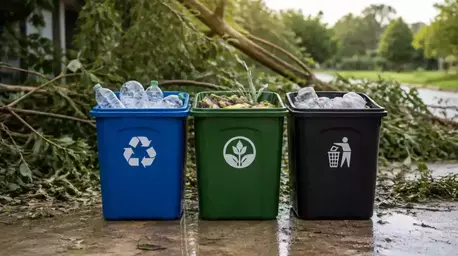
Storms can leave a trail of destruction that feels overwhelming in its aftermath. It’s essential to get a handle on the situation quickly, and that starts with understanding waste disposal after storm damage. Whether you’re dealing with fallen branches, damaged furniture, or construction debris, knowing how to manage this waste effectively is key. Let's dive into why proper storm debris management is vital! For additional guidance on efficient cleanup, explore our tips for quick household junk disposal.
After a storm, many homeowners are left with a mess that needs addressing. Ignoring debris can lead to safety hazards like sharp objects, mold, or even pest infestations. Properly managing storm debris not only helps you reclaim your space but also contributes to a healthier environment for everyone!
Plus, managing storm debris is crucial for community safety. If debris is left scattered around, it can block roads and hinder emergency services. So, let’s make sure we all do our part to keep our neighborhoods safe and tidy!
Knowing where to take your storm debris is just as important as cleaning it up. Many local authorities provide specific guidelines for waste disposal, especially in the aftermath of a storm. Look for resources like your city or town's waste management website to find information on pickup schedules and drop-off locations.
Additionally, reaching out to community services can provide insights into local cleanup efforts. Cleararoo is always ready to assist in coordinating efficient junk removal solutions, making it easier for you to navigate the aftermath of a storm! You can learn more about effortless junk removal solutions to streamline your cleanup.
Did you know? Before starting your cleanup, take a moment to document the damage with photos. This can be invaluable for insurance claims and helps you keep track of what needs to be disposed of or repaired. Additionally, it’s a great way to assess progress as you work through the debris!
When it comes to waste disposal, I believe in an eco-friendly approach that benefits both our communities and the planet. Adopting practices that prioritize reuse, recycling, and composting is not just smart; it’s essential! At Cleararoo, we are committed to making sure that our junk removal services align with these sustainable practices to ensure a cleaner environment for future generations.
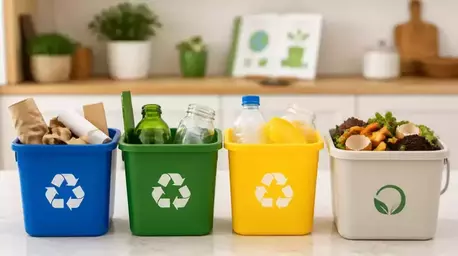
Sustainable waste disposal methods help reduce the amount of waste sent to landfills while conserving resources. For instance, recycling materials such as paper, glass, and metals can significantly lower energy consumption and emissions. Composting organic waste not only enriches the soil but also reduces greenhouse gas emissions. By emphasizing these practices, we can all play a part in protecting our planet!
Understanding the benefits of sustainable disposal methods is crucial for everyone. Here are a few key advantages:
It’s also important to explore local recycling programs and centers! Many communities offer special collection events or drop-off locations for recyclable materials. As you think about decluttering, consider how you might incorporate these options into your cleanup efforts. For more insights on ethical disposal, check out our guide on sustainable rubbish disposal solutions.
Everyone makes mistakes, but when it comes to waste disposal, some can have serious consequences. Here are a few common errors to avoid:
At Cleararoo, we understand that proper disposal can be tricky, especially after a big storm. That’s why we work hard to provide our customers with clear instructions and support throughout the cleanup process. Let's keep our communities clean and safe by avoiding these common pitfalls!
In the aftermath of a storm, local government and emergency services play a vital role in cleanup efforts. They provide guidelines on how to manage waste safely and responsibly while ensuring public health is protected. At Cleararoo, we believe that staying informed about these resources can make a significant difference during emergencies.
Here’s how local authorities can assist during cleanup:
If you find yourself unsure about what to do or where to go after a storm, don’t hesitate to reach out to local officials. They can guide you through the cleanup process and provide critical resources!
It’s natural to have questions about waste disposal during a chaotic time like a storm aftermath. Here are some frequently asked questions that might help:
Remember, Cleararoo is here to help make the process easier! We can provide guidance and assistance tailored to your situation. For more emergency support, consider our quick junk removal for emergencies service.
Accessing the right resources is key! Here’s how you can find more information:
In a world where waste management can be overwhelming, knowing where to find help makes all the difference. Let’s stay informed and work together toward a cleaner future!
In summary, handling storm debris effectively requires a plan that prioritizes safety, sustainability, and community engagement. By following local guidelines and best practices, we can ensure a smoother cleanup process. Remember, every small effort contributes to a larger impact!
As you embark on your cleanup journey, I encourage you to stay focused on safety and compliance. With the right approach, you can make your space clutter-free and contribute positively to your community. Ready to tackle that debris? Let’s clear the clutter together!
Here is a quick recap of the important points discussed in the article:
As a passionate advocate for sustainable waste management, I strive to make junk removal easy and eco-friendly for everyone. With years of experience in the junk removal industry, I focus on providing fast and affordable rubbish clearance solutions. Whether you’re a busy homeowner or a contractor, my goal is to simplify your life by helping you reclaim your space swiftly and efficiently. When I’m not coordinating hassle-free pickups, I love sharing tips on decluttering and responsible disposal practices to foster a cleaner, greener community.