Household Waste Disposal Guidelines
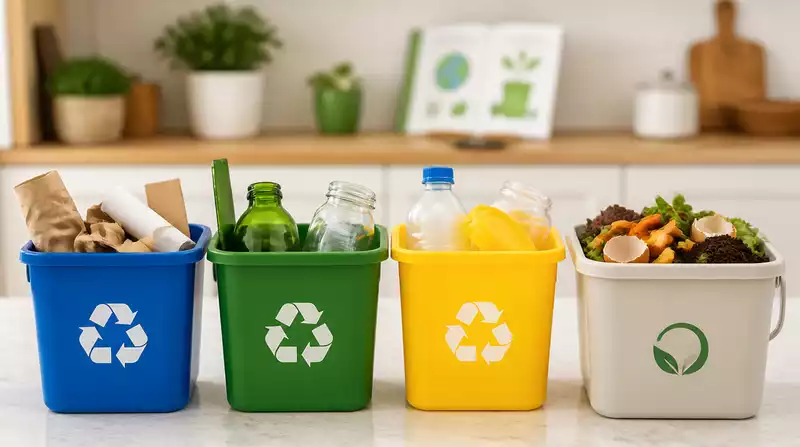
Do you know how your everyday choices impact the environment? Managing household waste effectively is not just about decluttering your home; it's about safeguarding our planet for future generations. Understanding waste disposal rules can significantly enhance our community's cleanliness and sustainability.
What You Will Learn
- Household waste is categorized into regular waste (like food scraps) and hazardous waste (such as batteries and chemicals). Knowing the difference is crucial for safe disposal.
- Local regulations vary widely; it’s vital to be aware of your municipality’s rules regarding waste disposal to avoid fines and ensure compliance.
- Certain items are prohibited from regular trash, including large electronics and hazardous materials. Understanding these can prevent environmental harm.
- Safe handling of hazardous materials involves using gloves, keeping items in original containers, and storing them away from children and pets.
- Recycling centers play a significant role in waste management, processing materials like paper, glass, and metals to reduce landfill waste.
- Community resources, such as special collection events for hazardous waste, can provide safe disposal options and enhance community involvement.
- Developing a waste sorting system at home allows for efficient disposal and recycling, contributing to a cleaner environment.
- Staying informed about local waste disposal guidelines and updates fosters a spirit of community responsibility and sustainability.
Understanding Household Waste Categories
Household waste can be categorized into regular waste and hazardous waste. Below is a visual comparison of the two categories that highlights their key differences. For more insights on efficient disposal, check out our quick household junk disposal tips.
Regular Waste
- Food scraps
- Cardboard
- Non-hazardous electronics
- Plastic bags and wrappers
Hazardous Waste
- Batteries
- Paints
- Pesticides
- Fluorescent light bulbs
Items Allowed in Regular Trash
- Food waste (in moderation!)
- Cardboard boxes (flattened)
- Plastic bags and wrappers
Items Prohibited in Household Disposal
- Hazardous materials (chemicals and batteries)
- Large electronics (TVs, computers)
- Sharp objects (broken glass, needles)
Grasping the Essentials of Household Waste Disposal Rules
Understanding household waste disposal rules is essential for every homeowner! With clutter piling up, it’s crucial to know how to dispose of items correctly to keep our homes and communities clean. Let's dive into what household waste consists of, how to navigate local regulations, and the best practices for safe disposal.
Defining Household Waste and Its Categories
First off, let’s get to the basics! Household waste can be broadly classified into two main categories: regular waste and hazardous waste. Knowing the difference between these types will help you make informed decisions about disposal. Regular waste includes everyday items we throw away, while hazardous waste refers to materials that can be harmful to human health or the environment.
Understanding Regular vs. Hazardous Waste Types
Regular waste includes items like food scraps, packaging materials, and old clothes. On the other hand, hazardous waste can include batteries, paints, and chemicals. It’s vital to handle hazardous waste with care to avoid potential dangers. Here’s a quick comparison:
- Regular Waste: Food scraps, cardboard, plastics.
- Hazardous Waste: Batteries, paint, pesticides.
Common Household Items and Their Waste Classification
Ever wondered where to toss that old lamp or half-used bottle of cleaning solution? Here’s a handy list of common household items and their classifications:
- Regular Items: Paper, glass jars, and non-hazardous electronics.
- Hazardous Items: Fluorescent light bulbs, solvents, and certain cleaning products.
By knowing where these items fit, you can make better choices when disposing of them! For more guidance on clearing out unwanted items, explore effortless junk removal solutions.
Comprehending Local and Legal Disposal Regulations
Next up, let’s talk about local laws. Every city has its own rules regarding waste disposal, which can be quite tricky. Local authorities play a big role in waste management, ensuring that residents follow regulations that promote safety and environmental sustainability. Understanding these regulations is necessary to avoid fines and keep the community clean.
The Role of Local Authorities in Waste Management
Local authorities are responsible for setting up waste management programs. Their main goals are:
- Establishing guidelines for waste classification.
- Providing resources for residents on proper disposal methods.
- Organizing waste collection services and recycling programs.
They help maintain a cleaner environment, so staying informed about their rules is essential!
Variations in Municipal Bylaws and Compliance Requirements
Did you know that waste disposal rules can vary significantly from one municipality to another? It’s true! Some areas may have stricter regulations than others, especially regarding hazardous materials. Always check your local bylaws to ensure compliance. Here are some things to look out for:
- Specific items banned from regular trash.
- Requirements for hazardous material disposal.
- Details on recycling programs available in your area.
Environmental Regulations Affecting Waste Disposal
Environmental regulations also shape how we dispose of waste. These rules are designed to protect our planet from harmful pollutants. Not only do they impact how we dispose of hazardous waste, but they also encourage recycling and waste reduction. Keeping up with these regulations ensures that we all contribute to a more sustainable future!
Identifying What Can and Cannot Be Disposed of in Regular Trash
Now that we have a grasp on waste types and local regulations, let’s identify what can and cannot go in your regular trash! This knowledge will help you avoid any accidental violations and make the disposal process smoother.
Items Allowed in Household Trash
Here’s a quick list of items generally allowed in household trash:
- Food waste (in moderation!)
- Cardboard boxes (flattened, of course)
- Plastic bags and wrappers
These items are typically safe to toss without worry!
Items Prohibited in Household Disposal
On the flip side, here are some items you should never throw in regular trash:
- Hazardous materials (like chemicals and batteries)
- Large electronics (like TVs and computers)
- Sharp objects (like broken glass or needles)
Improper disposal of these items can lead to severe environmental consequences! For convenient same-day rubbish removal for homes, consider professional services.
Understanding Disposal Bans and Contaminated Materials
Finally, let’s touch on disposal bans. Many locations prohibit specific materials from regular trash to protect public health and the environment. Contaminated materials, like food-soiled pizza boxes or liquids mixed with recyclables, can also cause problems in the recycling process. Always check local guidelines to stay informed!
Safe Handling and Disposal of Household Hazardous Waste
Handling household hazardous waste safely is crucial! This waste requires special attention to avoid harm to people and the environment. Understanding the types of HHW and how to deal with them can simplify the process.
Recognizing Household Hazardous Waste (HHW) Exceptions
Household hazardous waste can include items like:
- Pesticides and herbicides.
- Old paint and paint thinners.
- Household batteries.
Recognizing these items helps ensure that they are handled correctly!
Safety Precautions for Handling Hazardous Materials
When dealing with hazardous materials, follow these safety tips:
- Always use gloves and masks.
- Keep items in their original containers when possible.
- Store them safely away from children and pets.
Taking these precautions can help keep you and your family safe!
Addressing Medical Waste and Household Chemicals
Lastly, let’s not forget about medical waste and household chemicals. Medical waste, such as used needles or bandages, needs to be disposed of in special containers. Household chemicals should be taken to a designated disposal site to prevent contamination. Cleararoo is always here to help you navigate these tricky situations! We’re just a call away to assist with safe disposal practices!
Approved Disposal Channels and Methods
With all this information, you might be wondering where to take your junk! Understanding approved disposal channels and methods can save you time and hassle. Let’s explore the available options!
Recycling Centers and Their Role in Waste Management
Recycling centers are essential for reducing waste. They help process materials like paper, glass, and metals, turning them into new products. Here’s what you can typically recycle:
- Paper and cardboard (keep it clean!).
- Glass bottles and jars (rinsed out, please!).
- Metals (like aluminum cans).
Special Collection Events and Permitted Waste Sites
Many communities hold special collection events for hazardous waste—make sure to take advantage of these! They provide a safe way to dispose of unwanted items without harming the environment. Check your local government’s website for details on upcoming events!
Curbside Pickup and Waste Collection Services
Lastly, don’t forget about curbside pickup! Most municipalities offer scheduled waste collection to make disposal easy. Cleararoo is a great option if you need quick and efficient junk removal! We’re always ready to help you clear out your unwanted items hassle-free.
Navigating the Decision Tree for Waste Disposal
Now that you have all this knowledge, it’s time to put it into practice! Navigating the decision tree for waste disposal can help you determine how to handle each item effectively.
How to Classify Each Household Item for Disposal
When you have an item in hand, ask yourself these questions:
- Is it regular waste or hazardous?
- Can it be recycled?
- Are there special disposal rules for this item?
Answering these questions will guide you in the right direction!
Determining the Best Disposal Method Based on Item Type
Next, consider the best method for disposal:
- Regular waste—toss it in the trash.
- Recyclables—take them to a recycling center.
- Hazardous materials—find a special collection event.
This thought process simplifies the disposal process and keeps everything organized!
Utilizing Waste Sorting for Effective Disposal
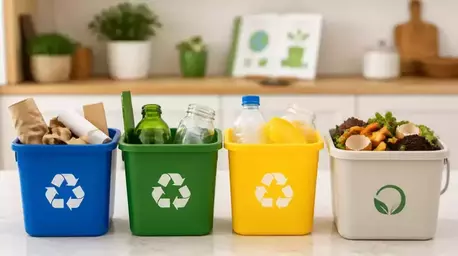
Finally, make sorting your friend! Having separate bins for regular waste, recyclables, and hazardous materials can streamline the disposal process. This small step makes a big difference in helping our environment and keeping our communities clean!
Addressing Common Questions About Waste Disposal
As we wrap up this section, let’s address some common questions about waste disposal. Ensuring you’re informed can help you make the right choices!
What are the Consequences of Improper Waste Disposal?
Improper disposal can lead to hefty fines and damage to the environment. Additionally, it can pose health risks to your community. It’s crucial to follow local guidelines to avoid these issues!
How to Report Unlawful Dumping or Waste Violations
If you observe unlawful dumping or violations, report it to local authorities. Most municipalities have hotlines or online forms to make this process easy. Your vigilance can help maintain a cleaner community!
Understanding Waste Audits and Their Importance
Waste audits are valuable tools for understanding how well waste management practices are being followed. They help identify areas for improvement and ensure compliance with regulations. Staying informed about waste audits can enhance your awareness and participation in proper waste disposal.
Pro Tip
Did you know? Regularly educating yourself and your family about local waste disposal rules can significantly reduce the amount of waste that ends up in landfills. Create a waste disposal calendar to keep track of special collection events and recycling days in your community. This proactive approach ensures you never miss an opportunity to dispose of items responsibly!
Frequently Asked Questions About Household Waste Disposal
- What are the main categories of household waste?
- Household waste is broadly categorized into regular waste (e.g., food scraps, cardboard, non-hazardous electronics) and hazardous waste (e.g., batteries, paints, pesticides, fluorescent light bulbs).
- Why is it important to know local waste disposal regulations?
- Understanding local regulations is crucial to avoid fines, ensure compliance, protect public health, and maintain environmental sustainability within your community. Rules can vary significantly by municipality.
- What items are generally prohibited from regular trash?
- Items typically prohibited from regular trash include hazardous materials (chemicals, batteries), large electronics (TVs, computers), and sharp objects (broken glass, needles).
- How should I safely handle household hazardous waste (HHW)?
- When handling HHW, always use gloves and masks, keep items in their original containers if possible, and store them safely away from children and pets. Utilize special collection events or designated disposal sites.
- What role do recycling centers play in waste management?
- Recycling centers are vital for processing recyclable materials like paper, glass, and metals, converting them into new products, and significantly reducing the amount of waste sent to landfills.
- How can I stay informed about local waste disposal guidelines?
- You can stay informed by checking your local government's website, subscribing to municipal newsletters, following their social media accounts, and attending community workshops or events related to waste management.
Summarizing Key Takeaways on Waste Disposal Rules
As we wrap up our exploration of waste disposal rules, it’s vital to keep in mind what we’ve learned. Responsible waste management is not just about throwing things away; it’s about understanding how our actions affect the community and the environment. Each of us plays a crucial role in this process, and by doing our part, we can make a significant impact!
First and foremost, compliance with local regulations is essential. These rules are in place to protect our neighborhoods and ecosystems. When we respect these guidelines, we contribute to a cleaner, more sustainable future for everyone.
Recap of Waste Disposal Principles and Responsibilities
So, what does responsible waste disposal really entail? Here are a few key principles to keep in mind:
- Know what type of waste you're dealing with: Regular vs. hazardous.
- Follow your local guidelines for disposal and recycling.
- Be aware of items that are prohibited from regular trash.
Understanding your personal responsibility in waste management is crucial as well. Each time you make a choice about how to dispose of something, you’re influencing the environment. By choosing eco-friendly methods, like recycling or composting, you create a positive ripple effect. For additional insights on smart waste practices, explore smart waste solutions for DIY projects.
Importance of Compliance with Local Regulations
Keeping up with local rules isn't just about avoiding fines; it’s about being a good neighbor! When everyone pitches in, we foster a community spirit that values cleanliness and sustainability. Plus, staying informed helps you avoid any surprises when it comes to waste disposal.
Remember, Cleararoo is here to help you navigate these waters! Our team can provide guidance on best practices and local regulations, simplifying your waste management journey.
Encouraging Safe and Responsible Waste Disposal Practices
To promote safe disposal practices, consider these helpful tips:
- Stay updated on local rules and any changes.
- Get involved with community resources, such as local recycling programs.
- Support zero waste initiatives by reducing your consumption!
Engaging with community resources can make a difference. Local nonprofits and municipal programs often offer workshops, events, and services to help you recycle and dispose of waste responsibly. Getting involved not only benefits your home but can also strengthen the community.
Staying Informed on Local Rules and Updates
One of the best ways to stay informed is by subscribing to newsletters or following social media accounts related to your city's waste management. Many municipalities have platforms where they share important updates and initiatives. Don’t miss out on these valuable resources!
Taking Action: Resources for Safe Waste Disposal
Now that we've covered the basics, it’s time to take action! Here are some resources you can utilize for safe waste disposal:
- Check your local government website for waste disposal guidelines.
- Find tools and apps that help you manage your waste effectively.
- Join composting and organic recycling programs in your area.
These resources can guide you through the often-confusing world of waste disposal. They make it easier to separate your recyclables from your trash and encourage you to think about composting food scraps instead of tossing them in the bin! For assistance with disposing of large items, consider quick bulky item disposal services.
Finding Your Local Waste Disposal Guidelines
Most municipalities have detailed guidelines available online. These usually include what can be recycled, accepted drop-off locations, and details about special collection events. Be sure to check them out! And remember, Cleararoo is here to assist you with any questions you might have.
Recap of Key Points
Here is a quick recap of the important points discussed in the article:
- Understand the difference between regular waste (e.g., food scraps, packaging) and hazardous waste (e.g., batteries, chemicals).
- Follow local regulations to ensure proper waste disposal and avoid fines.
- Identify items that can and cannot be disposed of in regular trash to prevent environmental harm.
- Utilize recycling centers and special collection events for hazardous waste disposal.
- Stay informed about local waste management programs and updates to optimize responsible disposal practices.

Jordan Ainsworth
As a passionate advocate for sustainable waste management, I strive to make junk removal easy and eco-friendly for everyone. With years of experience in the junk removal industry, I focus on providing fast and affordable rubbish clearance solutions. Whether you’re a busy homeowner or a contractor, my goal is to simplify your life by helping you reclaim your space swiftly and efficiently. When I’m not coordinating hassle-free pickups, I love sharing tips on decluttering and responsible disposal practices to foster a cleaner, greener community.
Popular Posts
Declutter Your Crowded Attic
![Declutter Your Crowded Attic]() Imagine walking into your attic and feeling a wave of relief as you uncover a space filled with pote
 Imagine walking into your attic and feeling a wave of relief as you uncover a space filled with pote
Managing Post-Storm Waste Disposal
![Managing Post-Storm Waste Disposal]() Storms can leave behind chaos, but how we respond can significantly impact our communities and the e
 Storms can leave behind chaos, but how we respond can significantly impact our communities and the e
Junk Removal Tips for Homeowners
![Junk Removal Tips for Homeowners]() As a first-time homeowner, the thrill of your new space can quickly turn into a daunting task when f
 As a first-time homeowner, the thrill of your new space can quickly turn into a daunting task when f
Household Waste Disposal Guidelines
![Household Waste Disposal Guidelines]() Do you know how your everyday choices impact the environment? Managing household waste effectively i
 Do you know how your everyday choices impact the environment? Managing household waste effectively i
